Religious tourism
What is the Divino Pai Eterno: the devotion, the medallion and the statue of Trindade
A small clay medallion, a statue carved in Pirenópolis and a devotion that draws millions. Understand what pilgrims celebrate in Trindade.
Updated on October 4, 2026 ✓ Information checked on October 4, 2026 adapted version of the Portuguese original
Anyone arriving in Trindade, in the Brazilian state of Goiás, soon notices that everything in the city revolves around one name: Divino Pai Eterno, Portuguese for “Divine Eternal Father”. It names the Basilica, the Igreja Matriz, the parish, the Pilgrimage and a good share of local businesses. But what exactly do pilgrims celebrate?
This text explains, respectfully and without theological pretension, the origin and symbols of the devotion, based on information published by the Santuário Basílica do Divino Pai Eterno.
Devotion to the Father
In Christian faith, God is Father, Son and Holy Spirit: the Holy Trinity. Devotion to the Divino Pai Eterno is directed especially to God the Father. The theme of the 2026 Pilgrimage, “Clamamos: Abbá, Pai!” (“We cry out: Abba, Father!”), sums up this spirit: “Abba” is the affectionate way of addressing a father, used in the Gospels.
In Trindade, this devotion took a very concrete form, linked to an object found by a farming family in Goiás.
The 1840 medallion
In 1840, the couple Constantino Xavier and Ana Rosa found, near the Barro Preto stream, a clay medallion about 8 cm across. On it, the Holy Trinity is shown crowning the Virgin Mary, according to the Shrine.
The family began to pray before the medallion, and neighbors joined them. The Shrine credits this couple with making devotion to the Divino Pai Eterno better known. From this simple gesture came the first prayers, the first chapels and, in time, the Pilgrimage.
Where the medallion is today
The original medallion is kept at the Santuário Basílica. According to the Shrine, it was shown to the faithful only once, on July 5, 2020, for the 180th Jubilee of the devotion. A replica can be seen at the Museu da Memória de Trindade.
The statue carved by Veiga Valle
As the prayers grew, Constantino wanted a larger image. He commissioned it in Pirenópolis, more than 120 km away, from the sculptor Veiga Valle. Tradition says that, lacking enough money, he left his horse and walked home. The Shrine’s timeline places the journey in 1842 and calls it the “symbolic milestone of the first pilgrim”.
The Tourism Supply Inventory (Goiás Turismo, 2020) is more cautious and speaks of an image “attributed to Veiga Valle”.
The statue during the Pilgrimage
The original statue is also kept at the Santuário Basílica and only leaves on the day of the Grande Festa, the last day of the Pilgrimage. According to the Shrine, it travels in procession on the processional float from the Igreja Matriz to the Santuário Basílica square for the closing Mass. For many pilgrims, seeing the statue pass by is the most moving moment of the festival.
The only basilica dedicated to the Divino Pai Eterno
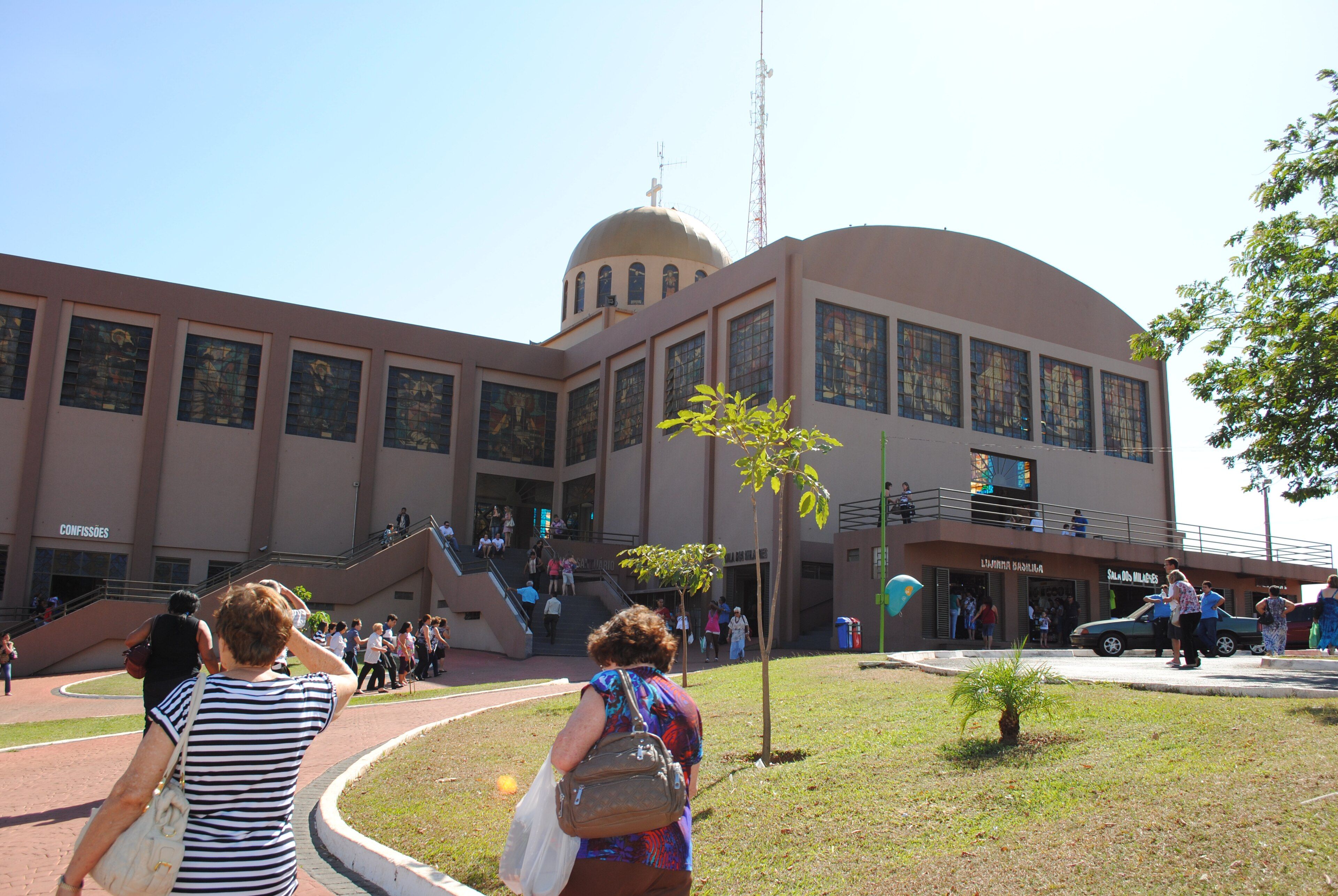
On April 4, 2006, Pope Benedict XVI granted the Trindade shrine the title of Minor Basilica, at the request of Archbishop Washington Cruz of Goiânia. It was formally installed on November 18, 2006. According to the Shrine, it is the only basilica in the world dedicated to the Divino Pai Eterno.
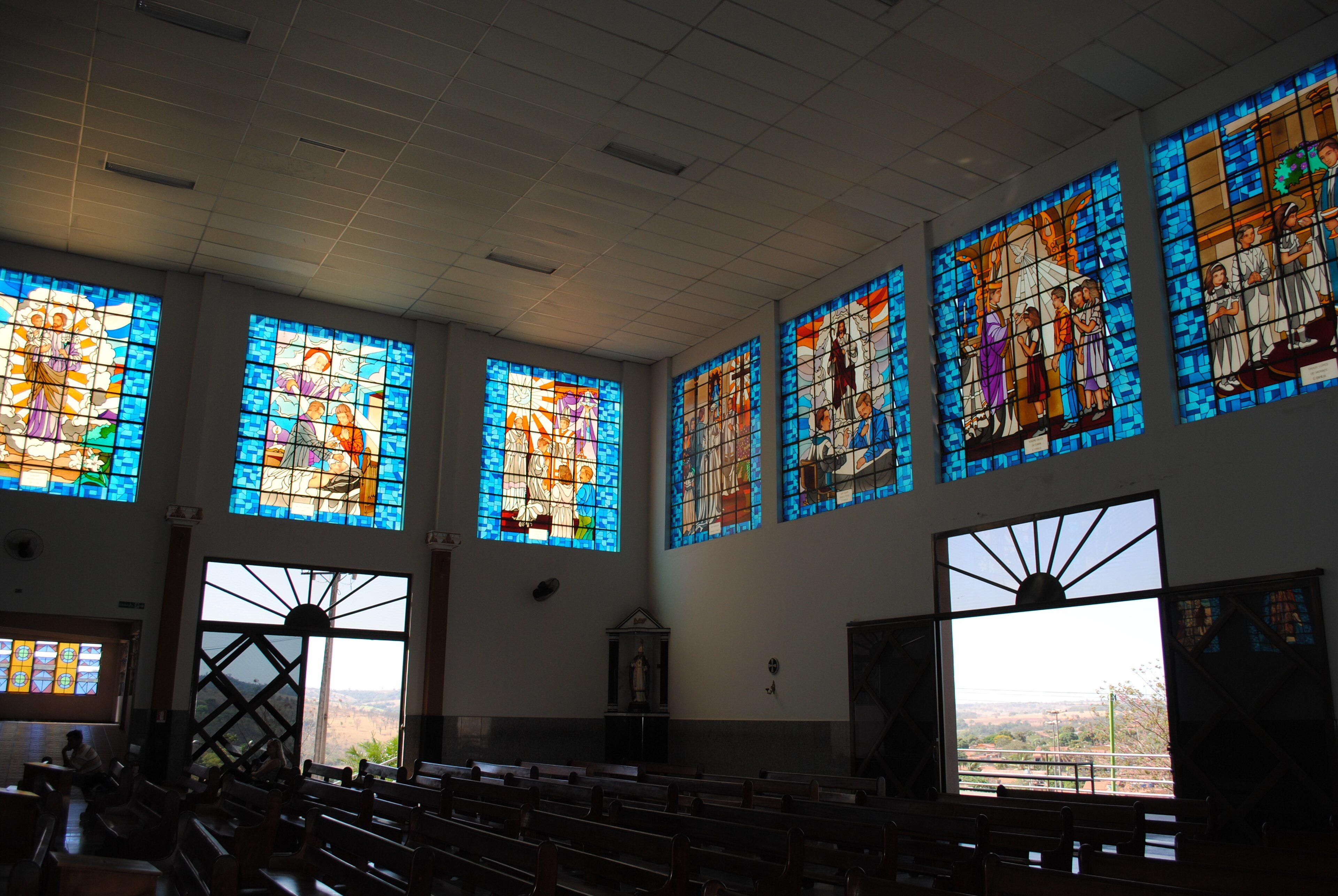
Inside are the statue, the Sala dos Milagres (Room of Miracles), chapels, stained glass and the painting of Our Lady of Perpetual Help. Next to it, the Grotto of Our Lady of Lourdes has a candle area and a water fountain. See Santuário Basílica do Divino Pai Eterno.
How the devotion is lived
Vows and graces
The Room of Miracles holds objects left by the faithful in thanks for graces received. According to the Shrine’s website, it is open every day from 7 a.m. to 6:40 p.m.
The pilgrimage on foot
Repeating the gesture attributed to Constantino, many of the faithful walk to Trindade, mainly along the GO-060, the Rodovia dos Romeiros (Pilgrims’ Highway). See walking from Goiânia to Trindade.
Candles
Lighting candles is one of the most visible expressions of faith in Trindade: at the Lourdes Grotto, on Praça da Matriz and at the base of the Portal da Fé. In the Candlelight Procession on the last day of the Pilgrimage, the faithful carry lit candles.
The weekly novena
Outside the festival, the Basilica holds a novena to the Divino Pai Eterno on Wednesdays and the Rosary of the Children of the Eternal Father Monday to Friday at 5:15 p.m., according to the Shrine’s website. See Mass and celebrations in Trindade.
A devotion that keeps growing
According to the Shrine, the Pilgrimage is the largest festival in the world dedicated to the Divino Pai Eterno. In 2026 it drew 4.2 million pilgrims, according to the City of Trindade. And the Father’s house is set to grow: the New Shrine, under construction since 2012, will house the Vox Patris bell, weighing 55 tonnes.
-
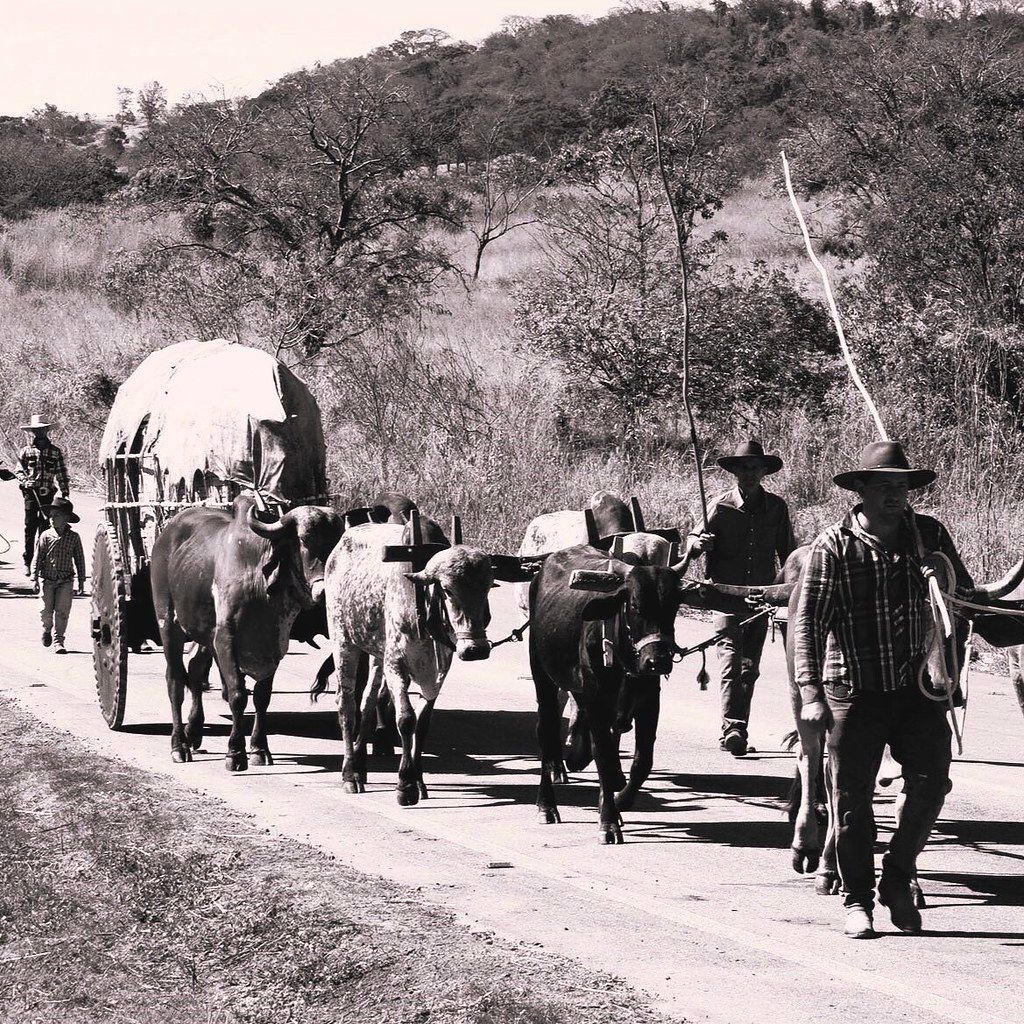 History of the Divino Pai Eterno Pilgrimage: from a clay medallion to millions of pilgrims It all began with a small clay medallion found in 1840. See how one family's devotion became one of Brazil's largest pilgrimages. Read guide
-
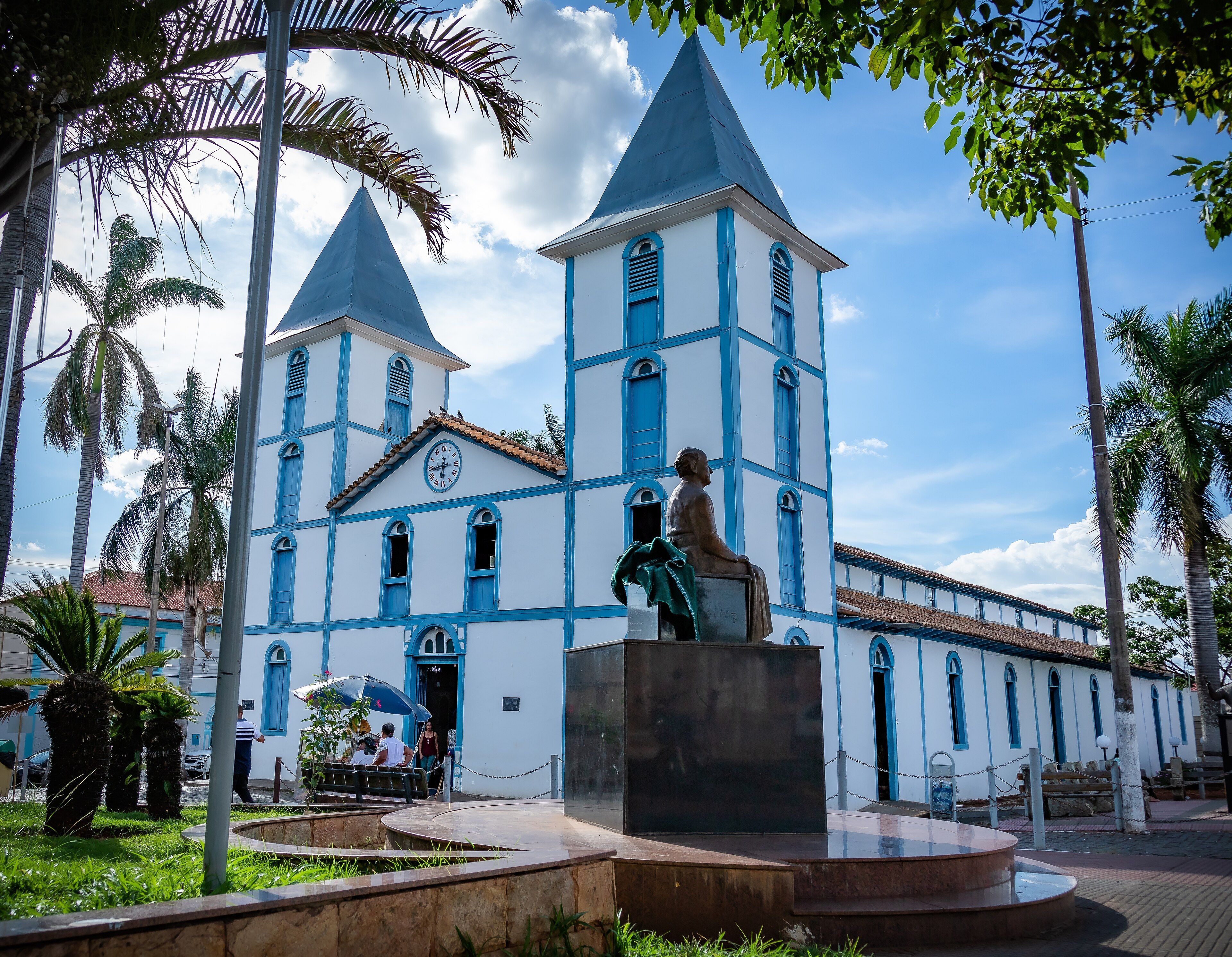 History of Trindade, Goiás: from Barro Preto to the Capital of Faith Trindade was born from a devotion. See how the village of Barro Preto became a municipality, was abolished, was reborn and became the Capital of Faith of Goiás. Read guide
-
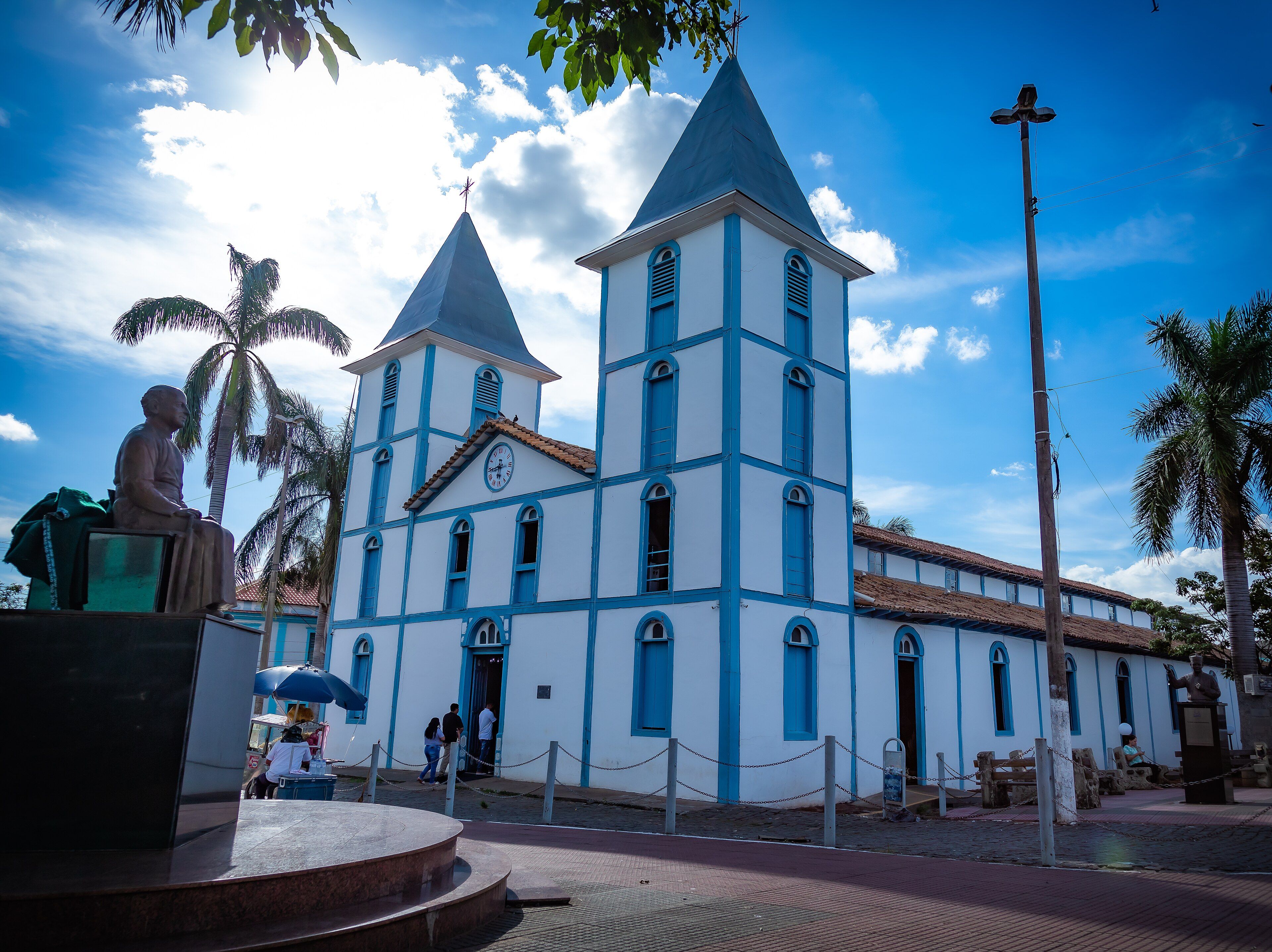 Religious tourism in Trindade: churches, shrines and places of faith All of Trindade revolves around devotion to the Divino Pai Eterno. Discover the city's places of faith, during and outside the Pilgrimage. Read guide
-
 The Divino Pai Eterno Pilgrimage in Trindade: complete guide Ten days of faith ending on the first Sunday of July and drawing millions of pilgrims to Trindade. Here is the essential to understand and plan the Pilgrimage. Read guide
Frequently asked questions
Who is the Divino Pai Eterno?
The name means “Divine Eternal Father”: God the Father, the first Person of the Holy Trinity in Christian faith. The Trindade devotion grew from a medallion showing the Holy Trinity crowning the Virgin Mary.
Where is the original medallion?
It is kept at the Santuário Basílica, together with the original statue. According to the Shrine, the medallion was displayed only once, on July 5, 2020, for the 180th Jubilee.
Who carved the statue of the Divino Pai Eterno?
The statue was commissioned in Pirenópolis from the sculptor Veiga Valle, according to the Shrine's timeline and IBGE. The Goiás Turismo Inventory uses the phrase “attributed to Veiga Valle”.
Is there another basilica dedicated to the Divino Pai Eterno?
According to the Shrine, the Trindade Basilica is the only one in the world dedicated to the Divino Pai Eterno.
Keep reading
Keep planning
- History of the Divino Pai Eterno Pilgrimage: from a clay medallion to millions of pilgrims It all began with a small clay medallion found in 1840. See how one family's devotion became one of Brazil's largest pilgrimages. Read guide
- History of Trindade, Goiás: from Barro Preto to the Capital of Faith Trindade was born from a devotion. See how the village of Barro Preto became a municipality, was abolished, was reborn and became the Capital of Faith of Goiás. Read guide
- Religious tourism in Trindade: churches, shrines and places of faith All of Trindade revolves around devotion to the Divino Pai Eterno. Discover the city's places of faith, during and outside the Pilgrimage. Read guide