Religious tourism
History of Trindade, Goiás: from Barro Preto to the Capital of Faith
Trindade was born from a devotion. See how the village of Barro Preto became a municipality, was abolished, was reborn and became the Capital of Faith of Goiás.
Updated on October 4, 2026 ✓ Information checked on October 4, 2026 adapted version of the Portuguese original
The history of Trindade, in the Brazilian state of Goiás, is inseparable from devotion to the Divino Pai Eterno (Divine Eternal Father). What began with the prayers of a farming family in 1840 attracted pilgrims, missionaries and settlers, until it formed the city now called the “Capital of Faith of Goiás”, part of the Goiânia metropolitan area.
This text combines the Shrine’s timeline with the official history from IBGE (Brazil’s national statistics institute).
The finding of the medallion (1840)
In 1840, the couple Constantino Xavier and Ana Rosa found, near the Barro Preto stream, a clay medallion about 8 cm across showing the Holy Trinity crowning the Virgin Mary, according to the Shrine. IBGE records his full name as Constantino Xavier Maria and says the find was made at the family’s brickworks.
The family’s devotion spread through the neighborhood. The place, known by the stream’s name, began to receive more and more visitors.
The Veiga Valle statue
Constantino commissioned a larger image in Pirenópolis, more than 120 km away, from the sculptor Veiga Valle. According to tradition, lacking enough money, he left his horse and walked home. The Shrine’s timeline places the episode in 1842 and considers it the symbolic milestone of the first pilgrim. This is the statue carried in procession on the last day of the Pilgrimage. Learn more in what is the Divino Pai Eterno.
The chapels and the Redemptorists
| Year | Event |
|---|---|
| 1843 | First chapel, roofed with buriti palm leaves |
| 1866 | New chapel, according to IBGE |
| 1876 | Third chapel, according to the Shrine |
| 1894 | Redemptorist missionaries arrive in Goiás |
| 1895 | Redemptorists officially arrive in Barro Preto (May 29) |
| 1912 | The Igreja Matriz opens, at the initiative of Fr. Antão Jorge |
The presence of the Redemptorists (a Catholic missionary congregation) shaped the city. The Igreja do Santíssimo Redentor holds the remains of Fr. Pelágio and the tombs of other priests of the congregation, and Vila São Cottolengo, founded in 1951 by Fr. Gabriel Vilela, is run by the Redemptorists and the Daughters of Charity of Saint Vincent de Paul.
How the municipality was formed (IBGE)
IBGE’s official history describes a path with many twists:
| Date | Act |
|---|---|
| March 12, 1909 | District of Trindade created, under Campinas (Municipal Law No. 5) |
| July 16, 1920 | Raised to town status and separated from Campinas (State Law No. 662) |
| August 31, 1920 | Municipality installed |
| June 20, 1927 | Raised to city status (State Law No. 825) |
| October 31, 1938 | Municipality abolished and annexed to Goiânia (Decree-Law No. 1,233) |
| December 31, 1943 | Municipality restored (State Decree-Law No. 8,305) |
| 1963 | The district of Campestre leaves the municipality |
In other words: Trindade became a city in 1927, was incorporated into Goiânia in 1938 and regained its autonomy at the end of 1943.
August 31: the city’s anniversary
The emancipation is celebrated on August 31. The Shrine sums it up: “On August 31, 1920, Trindade received its political emancipation”. In 2026 the city turned 106, with a Mass and a Civic Parade on August 27 and a festive program that included the Food Festival and Celebra Trindade. See events in Trindade.
The Basilica and the 20th century
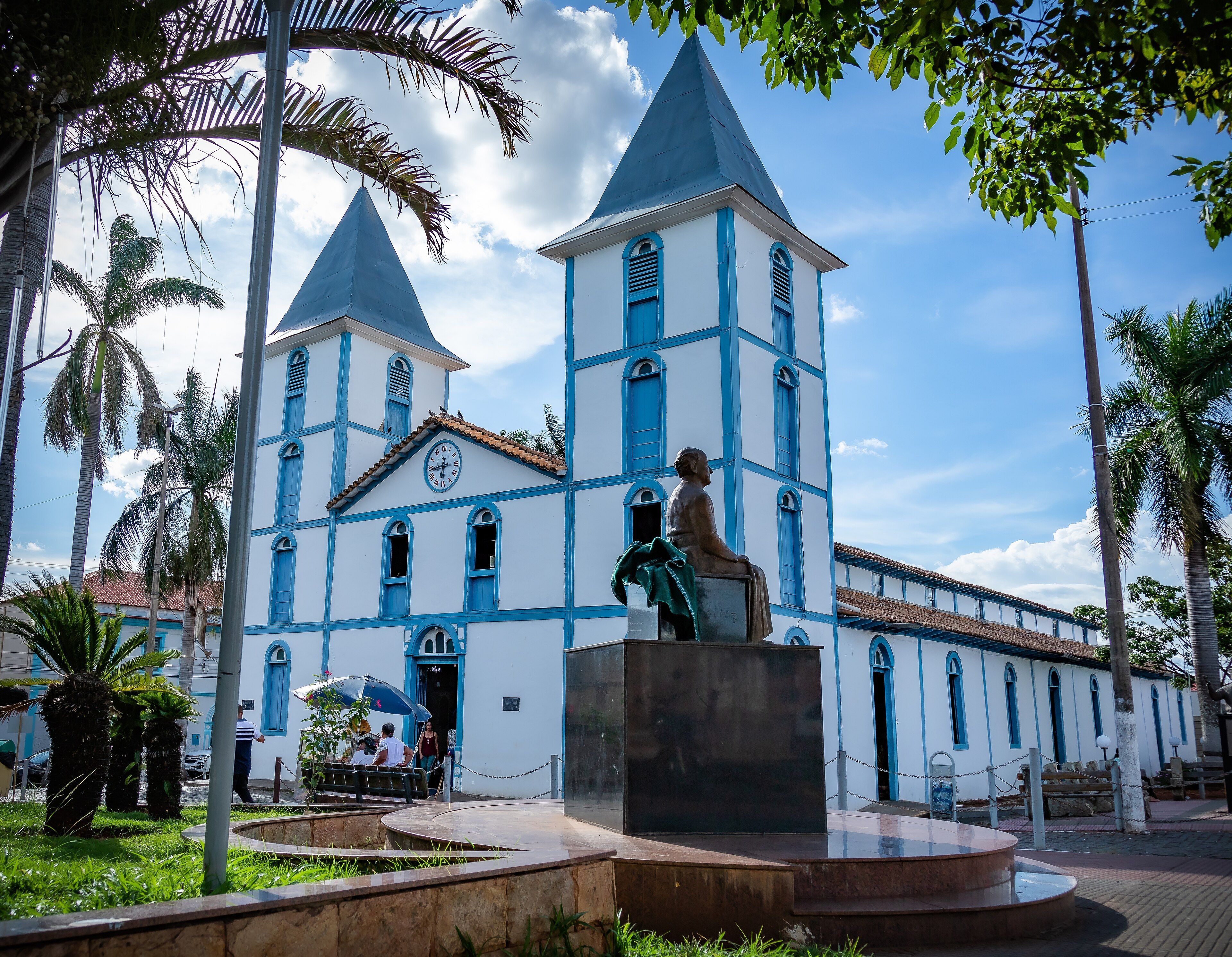
The growth of the Pilgrimage led to the construction of a new church: the cornerstone was laid in 1943, on the pilgrimage’s centenary, and celebrations began there in 1974. In 2006, Pope Benedict XVI granted it the title of Minor Basilica. The Igreja Matriz, in turn, was listed as heritage by Iphan (Brazil’s national heritage institute) and in 2013 received the title of Material Cultural Heritage of Brazil. Details are in the history of the Pilgrimage.
Trindade today
| Data | Value | Source |
|---|---|---|
| Population (2022 Census) | 142,431 people | IBGE |
| Estimated population (2026) | 156,197 people | IBGE |
| Area | 712.69 km² | IBGE |
| Demonym | trindadense | IBGE |
| 2026 Pilgrimage attendance | 4.2 million pilgrims | City of Trindade |
The city is about 17 km from Goiânia, according to the Shrine, and the main link is the GO-060, the Rodovia dos Romeiros (Pilgrims’ Highway).
Where to see the history up close
- Igreja Matriz: the 1912 church, on the site of the first chapels.
- Museu da Memória de Trindade: founded in 1998 in a 1912 building, with photos, works by local artists and a replica of the medallion.
- Santuário Basílica: where the original medallion and statue are kept.
- Municipal Market: opened in the 1960s, according to the Tourism Supply Inventory (Goiás Turismo, 2020).
-
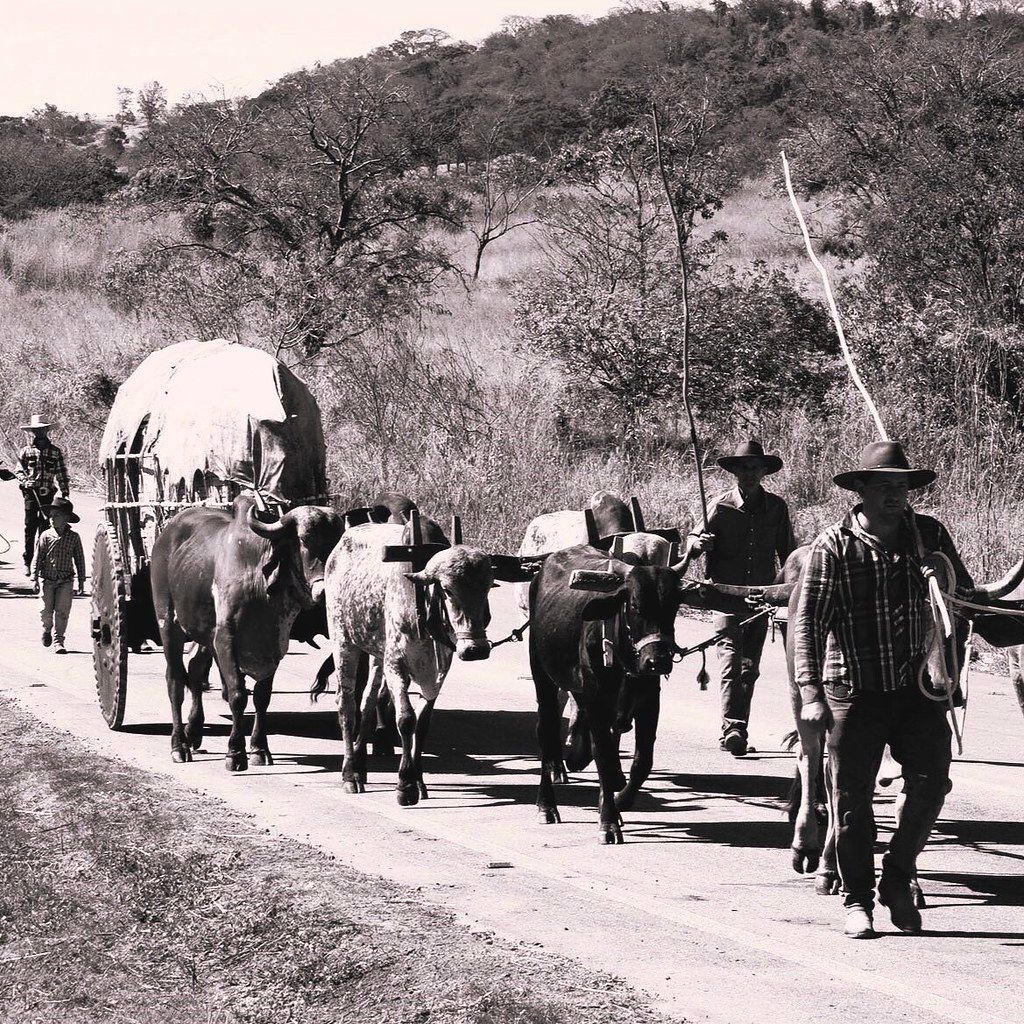 History of the Divino Pai Eterno Pilgrimage: from a clay medallion to millions of pilgrims It all began with a small clay medallion found in 1840. See how one family's devotion became one of Brazil's largest pilgrimages. Read guide
-
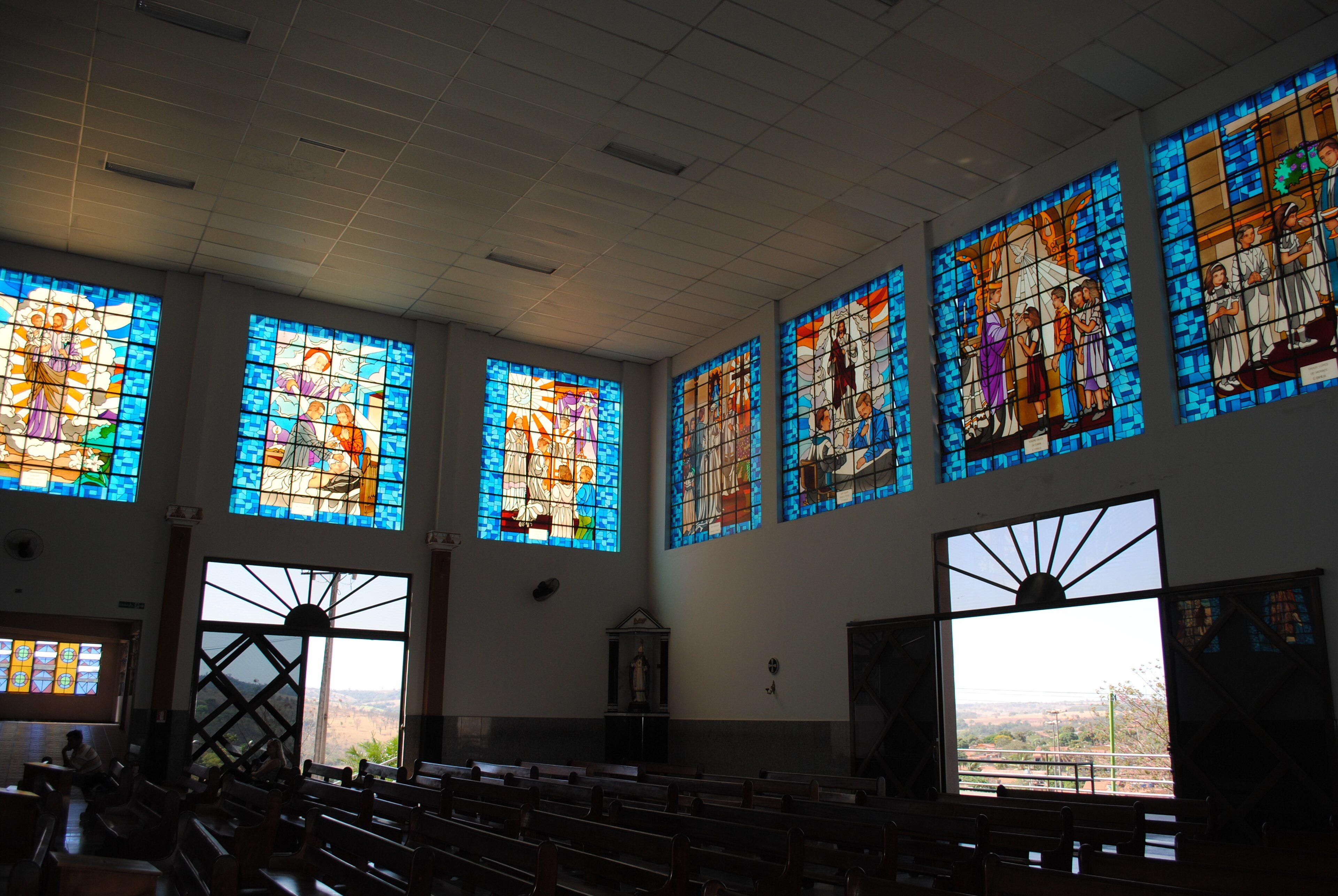 What is the Divino Pai Eterno: the devotion, the medallion and the statue of Trindade A small clay medallion, a statue carved in Pirenópolis and a devotion that draws millions. Understand what pilgrims celebrate in Trindade. Read guide
-
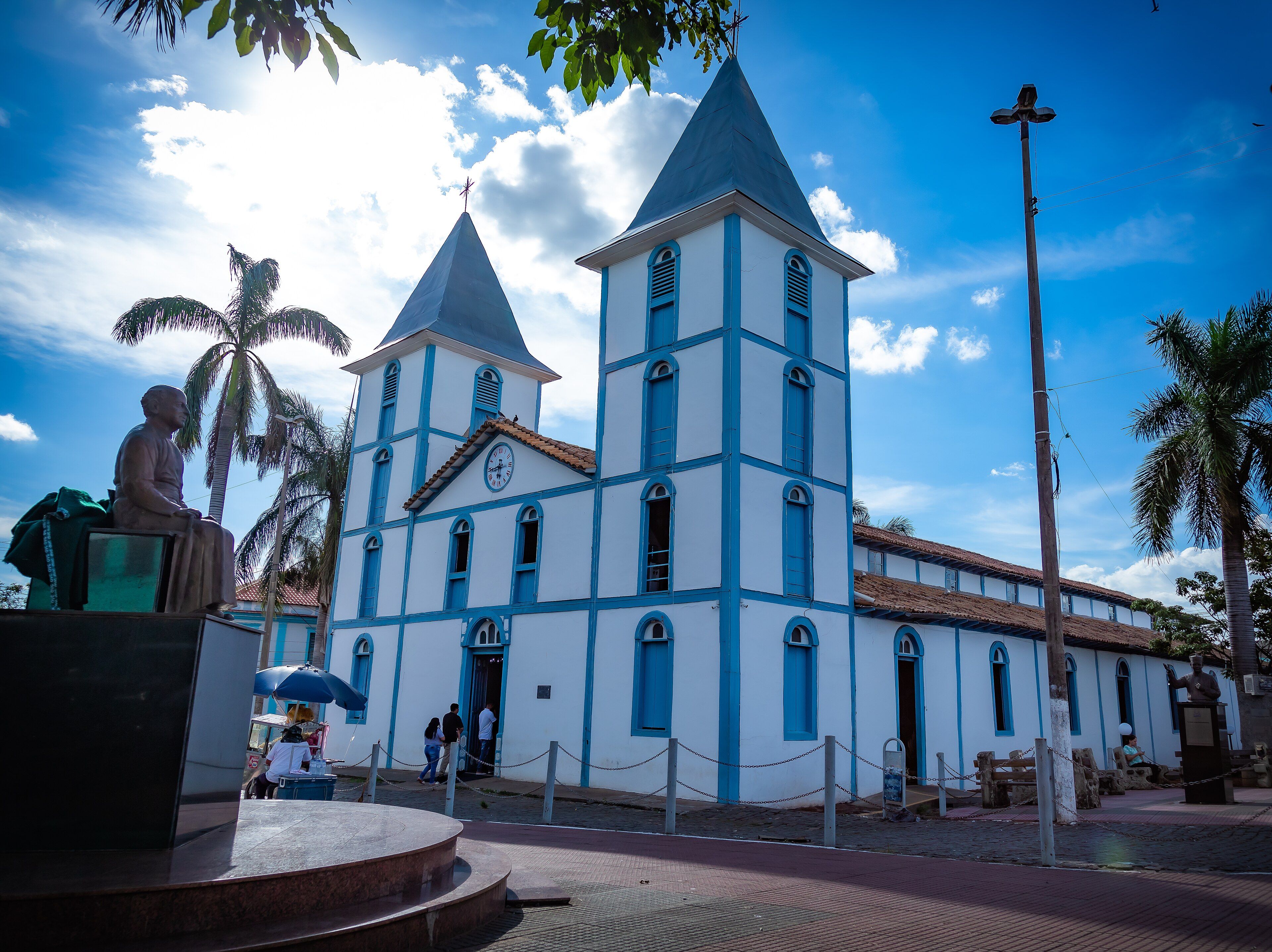 Religious tourism in Trindade: churches, shrines and places of faith All of Trindade revolves around devotion to the Divino Pai Eterno. Discover the city's places of faith, during and outside the Pilgrimage. Read guide
Frequently asked questions
What was Trindade's former name?
The place was known as Barro Preto, the name of the stream near which the Divino Pai Eterno medallion was found in 1840.
When is Trindade's anniversary?
August 31, the date the municipality was installed in 1920. In 2026, the city celebrated its 106th anniversary.
Was Trindade ever part of Goiânia?
Yes. According to IBGE, the municipality was abolished and annexed to Goiânia in 1938 and restored at the end of 1943.
How many people live in Trindade?
The 2022 Census counted 142,431 people. IBGE's most recent estimate, for 2026, is 156,197 inhabitants.
Keep reading
Keep planning
- History of the Divino Pai Eterno Pilgrimage: from a clay medallion to millions of pilgrims It all began with a small clay medallion found in 1840. See how one family's devotion became one of Brazil's largest pilgrimages. Read guide
- What is the Divino Pai Eterno: the devotion, the medallion and the statue of Trindade A small clay medallion, a statue carved in Pirenópolis and a devotion that draws millions. Understand what pilgrims celebrate in Trindade. Read guide
- Religious tourism in Trindade: churches, shrines and places of faith All of Trindade revolves around devotion to the Divino Pai Eterno. Discover the city's places of faith, during and outside the Pilgrimage. Read guide