- Type
- Market and fair
- Area
- Downtown
The Mercado Municipal de Trindade (Municipal Market), in the Brazilian state of Goiás, is a portrait of the city’s traditional commerce. According to the Tourism Supply Inventory (Goiás Turismo, 2020), it opened in the 1960s and had 18 shops, selling manioc flour, sausage and other traditional products.
For those visiting Trindade for its faith, it is a good stop to take a piece of Goiás cooking home in your luggage.
What you will find
According to the Inventory (2020):
- Manioc flour, one of the municipality’s traditional products; the municipality also records production of flour and cachaça (sugarcane spirit).
- Sausage (linguiça).
- Other traditional products from the region.
To learn more about local flavors such as empadão goiano, rice with pequi, pamonha and quitandas, read Goiás food and where to eat in Trindade.
Address
According to the Tourism Supply Inventory (Goiás Turismo, 2020): Av. Coronel Anacleto, 112, Setor Central.
This guide did not find opening hours in an official source. Confirm before going.
Feira Coberta
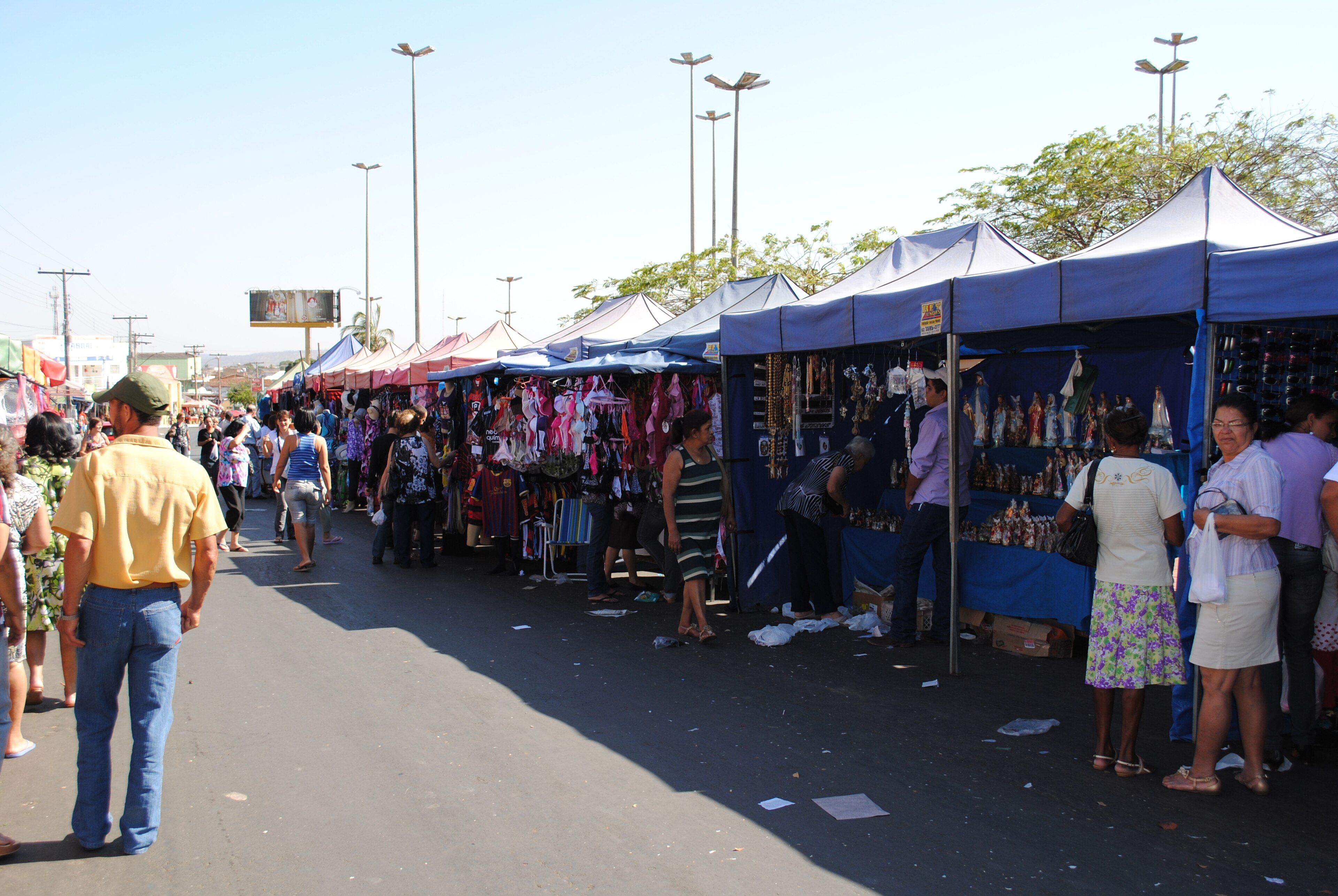
The same Inventory (2020) records the Feira Coberta (covered fair), which ran on Friday evenings and Sunday mornings, in front of the Santa Luzia Chapel, at Av. Francisco Paulo, 548, Vila Pai Eterno. Check whether the fair still runs at the same place and times.
Religious goods and souvenirs
The market focuses on food products. For religious goods and Divino Pai Eterno souvenirs, the Goiânia Pulsa portal mentions fairs and shops selling sacred crafts, religious items and souvenirs in local commerce. Another option is the Shrine’s gift shop and bookstore, open from 8 a.m. to 6 p.m., according to the official website. See also the business directory.
How to get there
The Market is in the Setor Central (downtown). Depending on where you are, you can walk or go by car or ride-hailing app; use a maps app for the address. See the map of Trindade.
In your itinerary
The Market is on the afternoon of day two of the 2-day itinerary, after the Museu da Memória. It can also round off the day trip from Goiânia to Trindade.
-
 Where to eat in Trindade: restaurants, market, fair and street food In Trindade, food goes hand in hand with faith: snack bars near the squares, a market with farm produce, a covered fair and, during the Pilgrimage, plenty of street food. Read guide
- Goiás food in Trindade: what to try in the Capital of Faith Trindade's table is the Goiás table: empadão, pequi, pamonha and quitandas. During the Pilgrimage, the leite com canela served to pilgrims takes center stage. Read guide
-
 Two days in Trindade: faith, history and local flavors With two days, Trindade can be visited without rushing: day one stays in the religious center and day two adds the Portal da Fé, the New Shrine, the museum and the market. Read guide
Practical tips
- Confirm opening hours: this guide did not find them in an official source.
- Bring bags for your manioc flour and sausage purchases.
- For perishables, ask how to keep them during the trip; if flying abroad, check your country's customs rules.
- Combine the visit with the Museu da Memória, as in the 2-day itinerary.
Frequently asked questions
Where is the Trindade Municipal Market?
According to the Tourism Supply Inventory (Goiás Turismo, 2020), at Av. Coronel Anacleto, 112, Setor Central. Confirm before going, as the data is from 2020.
What can I buy at the Municipal Market?
The Inventory mentions manioc flour, sausage and other traditional products.
Is there a fair in Trindade besides the Market?
The Inventory (2020) records the Feira Coberta (covered fair), on Friday evenings and Sunday mornings, in front of the Santa Luzia Chapel, at Av. Francisco Paulo, 548, Vila Pai Eterno. Check whether it still runs.
Pair it with
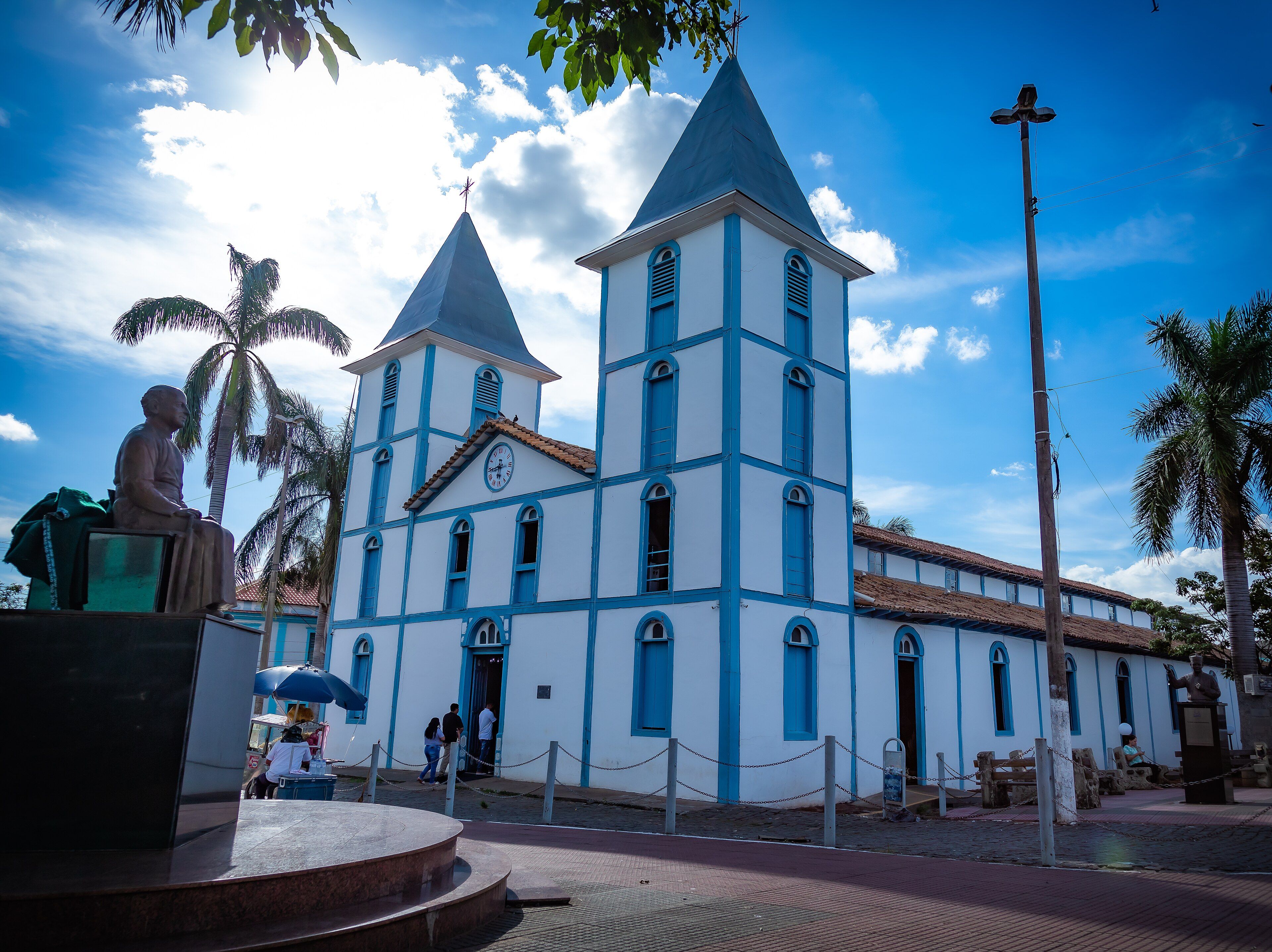
- Downtown Igreja Matriz do Divino Pai Eterno (the Old Shrine) Opened in 1912 and listed as heritage by Iphan, the Igreja Matriz is Trindade's “Old Shrine”, where the Pilgrimage processions begin. View details
- Downtown Museu da Memória de Trindade (Trindade Memory Museum) In a 1912 building, the Museu da Memória holds photos, works by local artists and a replica of the medallion that gave rise to devotion to the Divino Pai Eterno. View details