Itineraries
Three days in Trindade: devotion, pilgrim routes and leisure
Three days give you time to see Trindade at a retreat-like pace: unhurried Masses, the pilgrims' route, quieter places of prayer and a break in the park.
Updated on October 4, 2026 ✓ Information checked on October 4, 2026 adapted version of the Portuguese original
With three days, a trip to Trindade, in the Brazilian state of Goiás, stops being a rush. You can attend more than one celebration, visit quieter places of prayer, travel the pilgrims’ route and set aside an afternoon for the park.
The first two days follow the logic of the 2-day itinerary, with adjustments. The third day is what makes the difference.
-
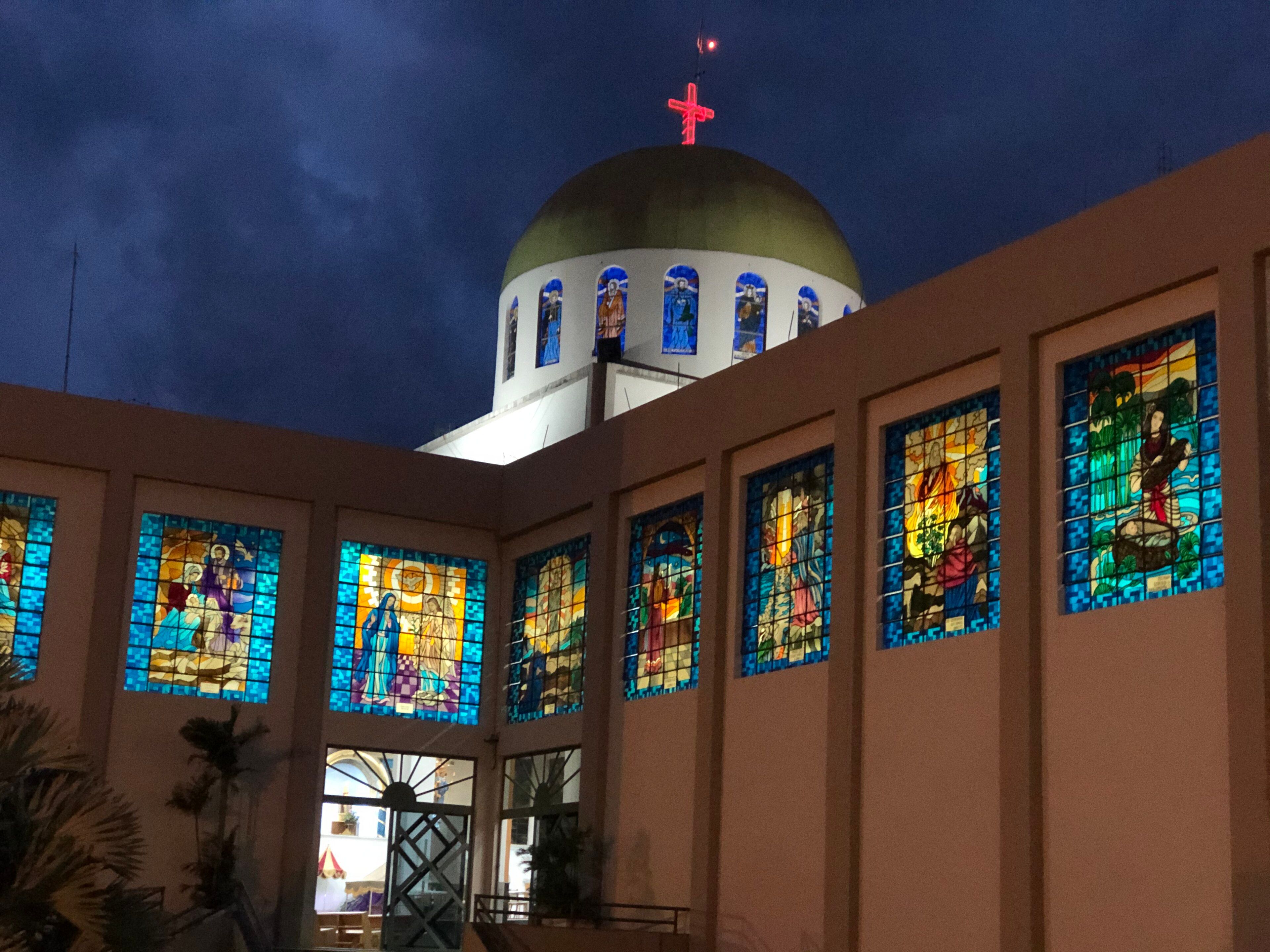 Downtown Santuário Basílica do Divino Pai Eterno (Basilica Shrine) The only basilica in the world dedicated to the Divino Pai Eterno, according to the Shrine, it holds the original statue and the medallion found in 1840. View details
-
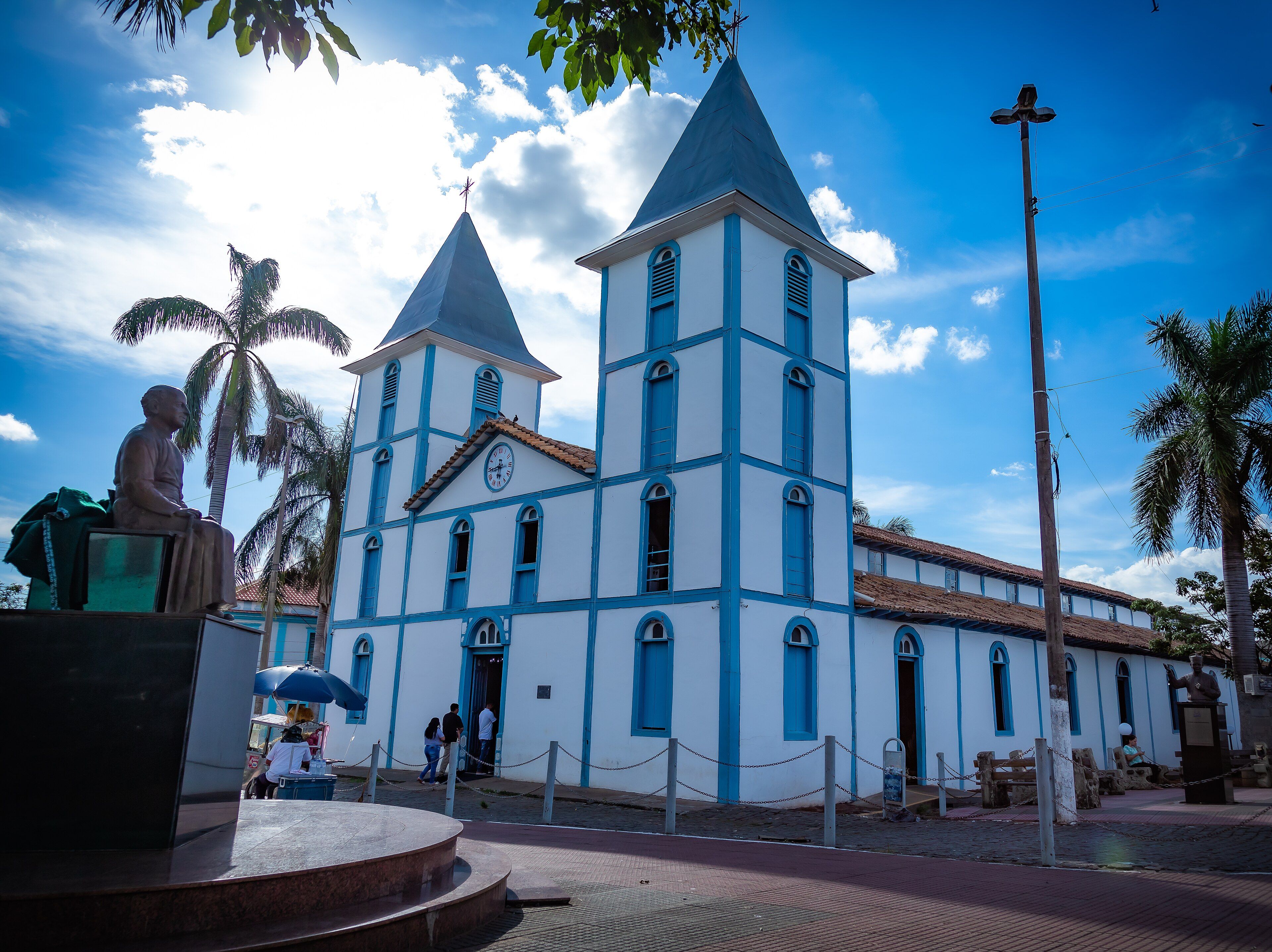 Downtown Igreja Matriz do Divino Pai Eterno (the Old Shrine) Opened in 1912 and listed as heritage by Iphan, the Igreja Matriz is Trindade's “Old Shrine”, where the Pilgrimage processions begin. View details
-
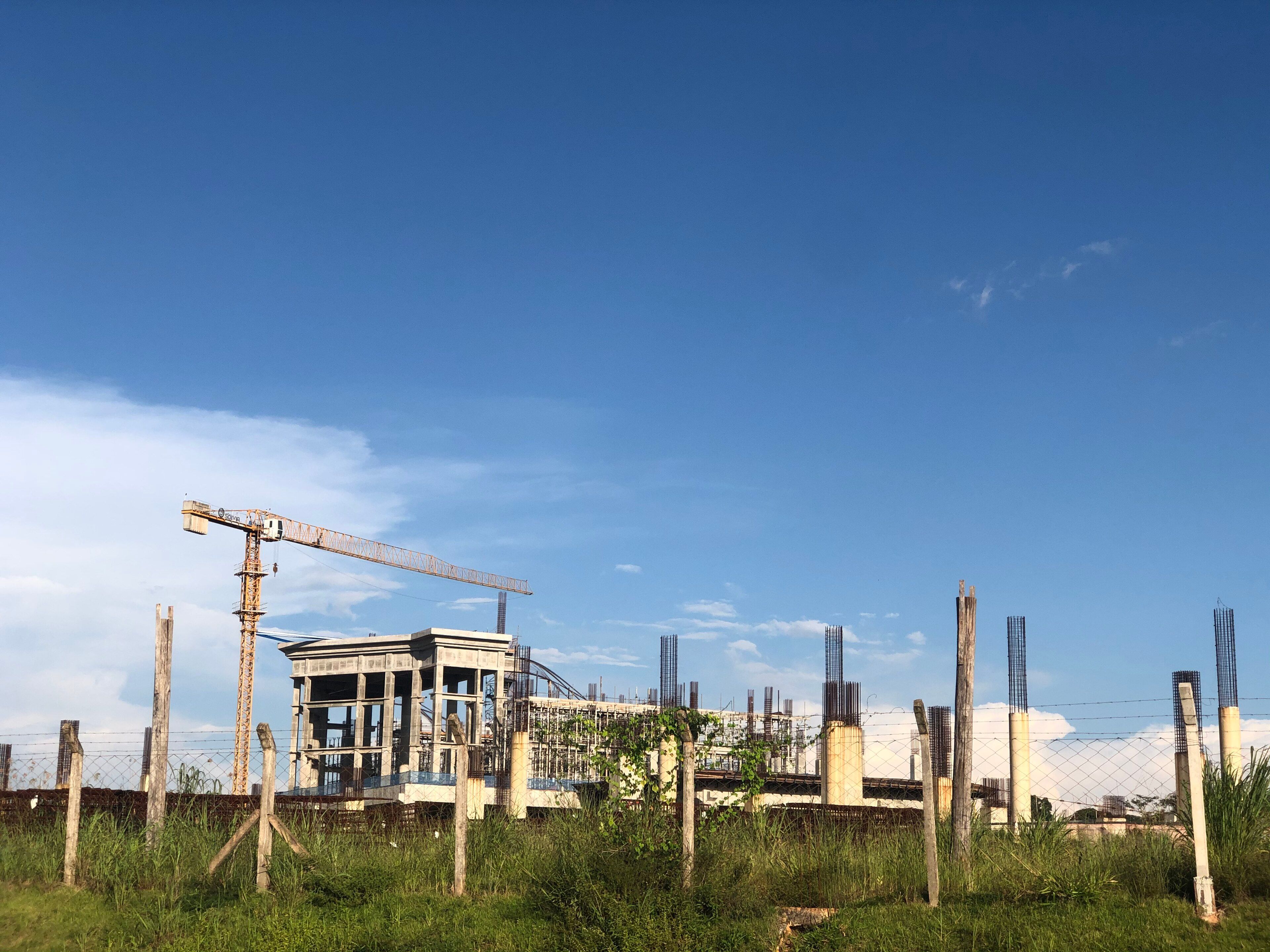 Neighborhoods Novo Santuário do Divino Pai Eterno (New Shrine, the New House of the Father) Under construction since 2012, the New House of the Father is about 1 km from the Basilica and houses the Vox Patris bell. Work advances with donations, with no completion date. View details
-
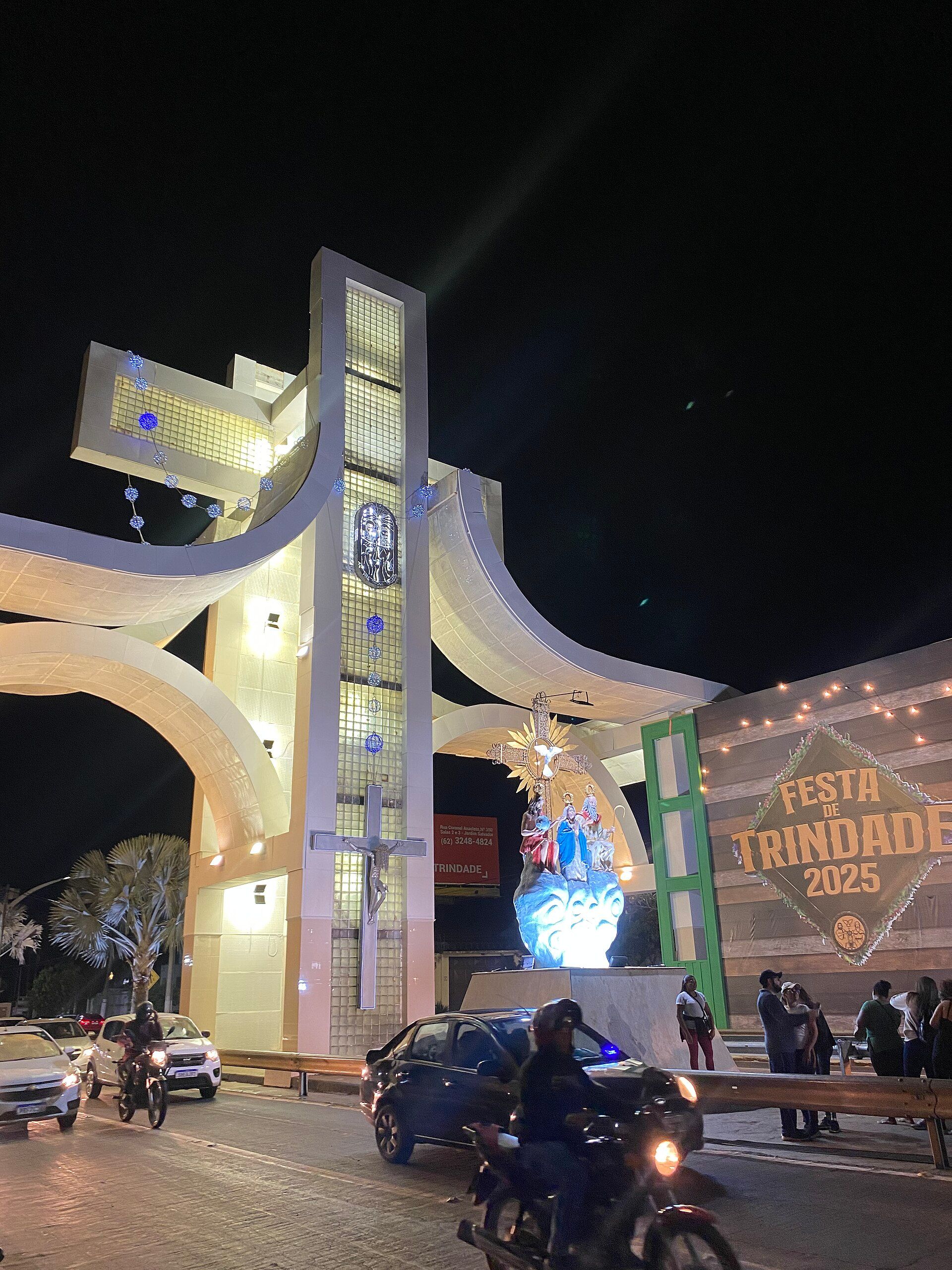 Neighborhoods Portal da Fé (Gateway of Faith) At the entrance to Trindade, a cross more than 20 meters tall and the image of the Divino Pai Eterno welcome those arriving in the Capital of Faith. View details
-
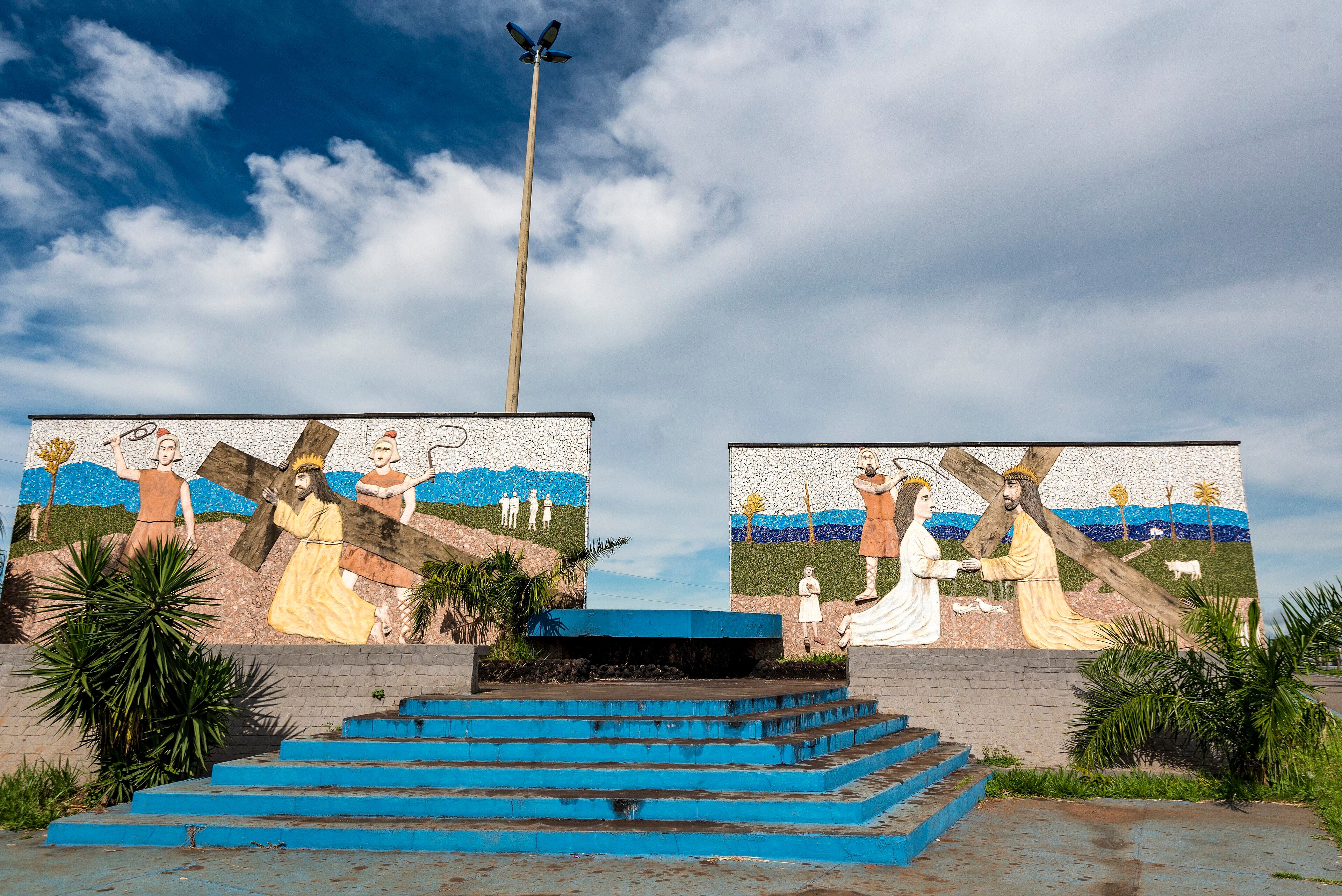
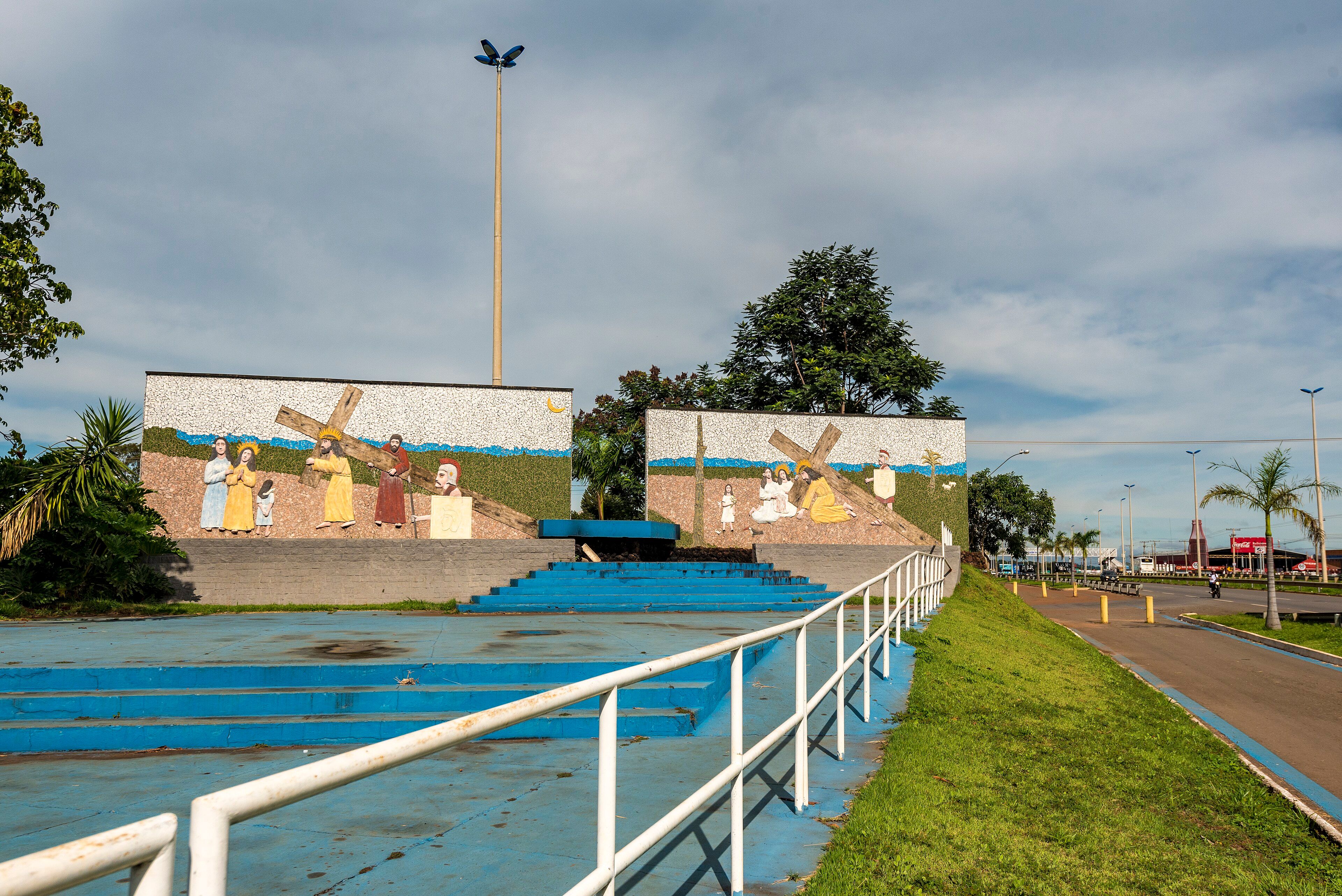 Highway / outskirts Via Sacra da Rodovia dos Romeiros (Stations of the Cross on the GO-060) Along the GO-060 between Goiânia and Trindade, 14 double panels created in 1988 by Omar Souto line the pilgrims' route. View details
- Neighborhoods Carmelo da Santíssima Trindade (Carmelite convent) Opened in June 2009 for the Discalced Carmelite nuns, the Carmelo is a place of silence in Trindade, with a chapel open to the public. View details
- Neighborhoods Vila São José Bento Cottolengo Founded in 1951, Vila São Cottolengo is a philanthropic hospital and charitable institution in Trindade, run by the Redemptorists and the Daughters of Charity. View details
- Downtown Parque Municipal Lara Guimarães and Carreiródromo Ada Cyra A green area with lakes, a playground and a walking track, the municipal park is home to the Carreiródromo Ada Cyra, stage of the ox-cart parade and major events. View details
Day 1: the religious center
Morning. Mass and a visit to the Santuário Basílica, with the Sala dos Milagres (Room of Miracles, every day from 7 a.m. to 6:40 p.m., according to the official website) and the Grotto of Our Lady of Lourdes.
Late morning. On foot, the urban Via Sacra to the Igreja do Santíssimo Redentor.
Afternoon. The Igreja Matriz, its square and the religious goods shops downtown.
Evening. Mass at the Basilica or the Matriz. See the Mass guide.
Day 2: the New Shrine and the city’s memory
Morning. By car or ride-hailing app, the Portal da Fé and the New Shrine, about 1 km from the Basilica and under construction, with no completion date announced. Next to the site there is a chapel and a large cross.
Afternoon. The Museu da Memória de Trindade and the Municipal Market. According to the Tourism Supply Inventory (Goiás Turismo, 2020), the museum opens Monday to Saturday from 7 a.m. to 6 p.m.; confirm, since the data is from 2020.
Evening. Dinner with Goiás dishes. See Goiás food.
Day 3: pilgrim routes, silence and the park
Morning: the Rodovia dos Romeiros
Leave early by car along the GO-060, the Rodovia dos Romeiros (Pilgrims’ Highway). Along it are the panels of the highway Via Sacra: 14 double panels in seven stations, created in 1988 by the artist Omar Souto, according to the Shrine.
Late morning: the Carmelite convent
Back in town, visit the Carmelo da Santíssima Trindade, opened in June 2009 for the Discalced Carmelite nuns. According to the Shrine, it has a public chapel, a courtyard with a fountain and parlors. It is a cloistered community: keep silent and respect the areas reserved for the nuns.
Afternoon: Vila São Cottolengo and Parque Lara Guimarães
Vila São Cottolengo was founded in 1951 by Fr. Gabriel Vilela and turned 75 in 2026. It is a charitable institution and philanthropic hospital; visits should be discreet, respecting the routine of patients and residents. Confirm beforehand whether and how the public can visit.
End the afternoon at Parque Lara Guimarães, with lakes, a playground and a walking track. It is home to the Carreiródromo Ada Cyra, where the ox-cart parade ends during the Pilgrimage. According to the Inventory (Goiás Turismo, 2020), the park opened from 6 a.m. to 10 p.m.; this may have changed.
Evening
A last Mass in the city or a stroll around Praça da Matriz. For souvenirs, the Shrine’s gift shop and bookstore opens from 8 a.m. to 6 p.m., according to the official website.
Getting around
- On foot, downtown: the Basilica, the urban Via Sacra, the Igreja do Santíssimo Redentor and the Matriz.
- By car or ride-hailing app: the Portal da Fé, the New Shrine, the Rodovia dos Romeiros, the Carmelite convent, Vila São Cottolengo, the park, the museum and the market, depending on where you stay.
Use the map of Trindade to plan the order and a navigation app to estimate the time for each leg.
A retreat pace
If you are traveling for prayer, you can swap the park for more time at the Basilica, with confession (every day, 8 a.m. to 11 a.m. and 2 p.m. to 5 p.m.) and the Rosary of the Children of the Eternal Father (Monday to Friday, 5:15 p.m.), according to the Shrine’s official website. On Wednesdays, the Basilica holds the novena to the Divino Pai Eterno.
-
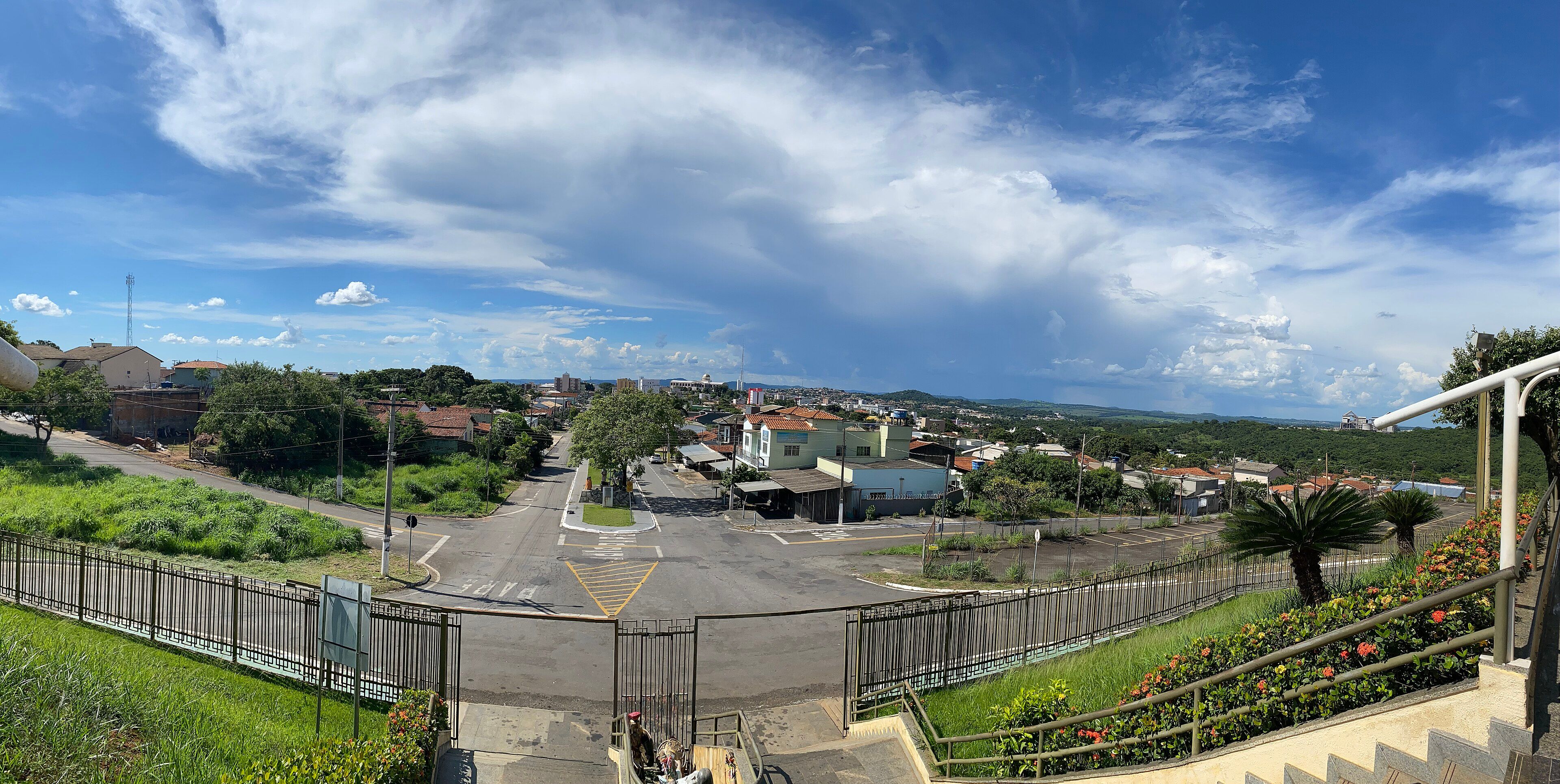 Day trips near Trindade: the Pilgrims' Highway, Goiânia and surroundings Beyond downtown Trindade lie the pilgrims' route along the GO-060, the New Shrine site and the state capital, Goiânia, next door. See what you can combine and what still lacks reliable information. Read guide
- Religious tourism in Trindade: churches, shrines and places of faith All of Trindade revolves around devotion to the Divino Pai Eterno. Discover the city's places of faith, during and outside the Pilgrimage. Read guide
-
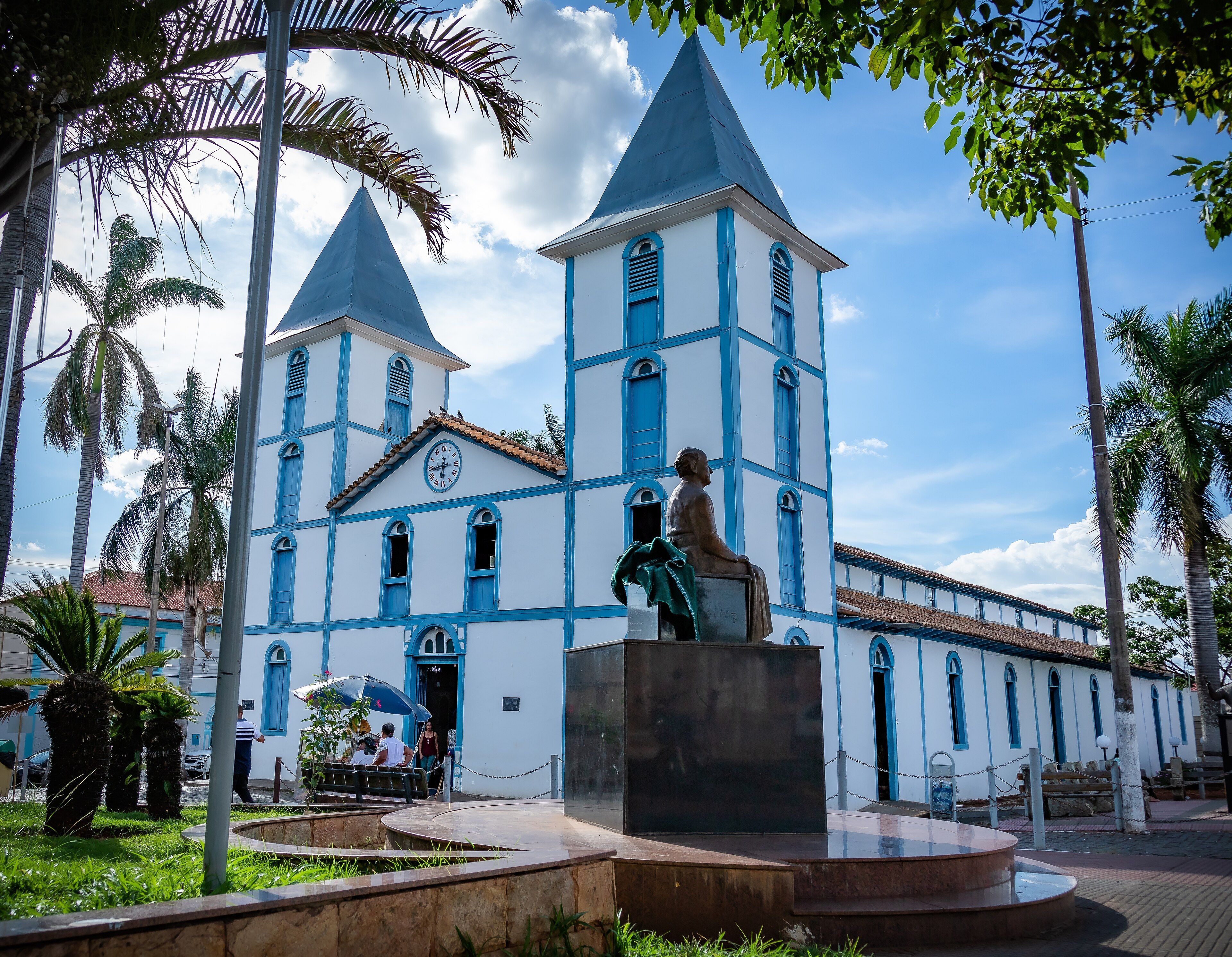 History of Trindade, Goiás: from Barro Preto to the Capital of Faith Trindade was born from a devotion. See how the village of Barro Preto became a municipality, was abolished, was reborn and became the Capital of Faith of Goiás. Read guide
Frequently asked questions
Is it worth spending 3 days in Trindade?
Yes, if you are looking for a retreat-like pace, want to attend several celebrations or also want to see the Rodovia dos Romeiros, the Carmelite convent, Vila São Cottolengo and Parque Lara Guimarães.
Can I see the highway Stations of the Cross panels by car?
Yes. Omar Souto's panels line the GO-060. Outside the Pilgrimage, this guide recommends going by car and stopping only in safe, signposted places.
Is Parque Lara Guimarães good for children?
The Shrine describes the park as having green space, lakes, a playground and a walking track. Opening hours appear only in the 2020 Inventory and may have changed.
Keep reading
Keep planning
- Trindade itineraries: 1 to 3 days, day trips and the Pilgrimage How many days to spend in Trindade depends on why you are going. We gathered ready-made itineraries for each situation, with real attractions and reminders to check times. Read guide
- Two days in Trindade: faith, history and local flavors With two days, Trindade can be visited without rushing: day one stays in the religious center and day two adds the Portal da Fé, the New Shrine, the museum and the market. Read guide
- Day trips near Trindade: the Pilgrims' Highway, Goiânia and surroundings Beyond downtown Trindade lie the pilgrims' route along the GO-060, the New Shrine site and the state capital, Goiânia, next door. See what you can combine and what still lacks reliable information. Read guide